Wild West Junk Journal Pages: Vintage Texture for Modern Crafters
The Grit and Charm of the Frontier
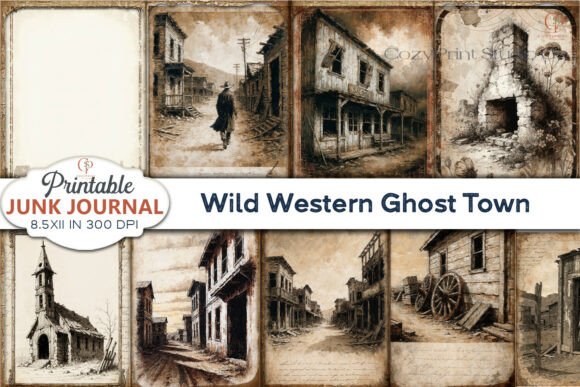
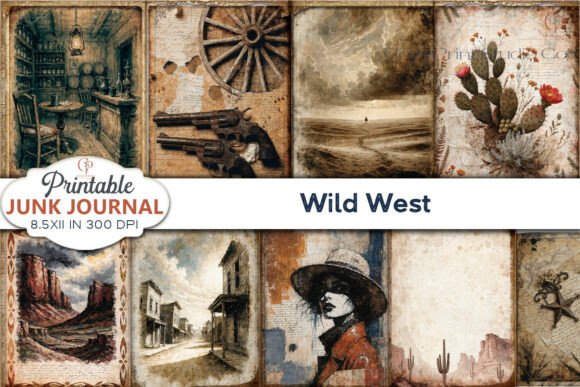
When you open the Wild West Junk Journal Pages collection, you aren't just viewing images; you are stepping into a dusty saloon or a weathered prairie homestead. These pages are designed to capture the raw, unpolished aesthetic of the frontier era. The visual characteristics rely heavily on textures that mimic aged paper, distressed wood, and vintage ephemera. You will find earthy tones—sepia, rust, dusty sage, and sun-bleached parchment—dominating the palette. This isn't about clean lines or perfect symmetry. Instead, the personality of these pages is rugged, authentic, and steeped in history. It feels like uncovering a lost diary from a cowboy or a collection of receipts from a 19th-century general store. This specific style appeals to anyone looking to add a layer of narrative depth to their projects, providing a backdrop that immediately suggests a story waiting to be told.
Practical Applications for Digital Crafters
Because this is a collection of 10 high-quality JPEG files at 300 DPI and 8.5 x 11 inches, the utility extends far beyond simple decoration. For the active crafter, these files serve as the foundational layer for complex mixed-media projects.
Junk Journaling and Scrapbooking
The primary use case is, of course, junk journaling. These pages act as the perfect substrate. You can print them double-sided to create thick, durable signatures that hold up to gluing, stitching, and painting. The vintage aesthetic provides an instant "lived-in" look, saving you the hours of tea-staining and baking paper to achieve that distressed effect. For scrapbookers, these Wild West Junk Journal Pages work beautifully as background layers for family heritage photos or travel albums, particularly if your adventures took you through the American Southwest or rural countryside.
Card Making and Stationery
Don't limit these assets to large formats. By trimming these 8.5 x 11 inch sheets, you can create stunning, professional-grade card bases. Imagine a greeting card featuring a distressed leather texture background paired with a simple sans serif font for a masculine, rustic birthday message. The high resolution ensures that even when you crop in for smaller details, the texture remains crisp and the pixelation is non-existent. This is particularly useful for creating bespoke stationery sets that feel expensive and tactile, even when printed on standard home inkjets.
Planner Decoration and Collage Art
For the planner community, these pages offer a way to customize inserts that stand out. You can cut out specific elements—like vintage receipts or old map fragments—to use as washi tape alternatives or tip-ins. Collage artists will appreciate the variety of textures provided. When building a composition, having a consistent "vintage" thread helps unify disparate elements like photographs, fabric scraps, and metal embellishments. These pages provide that cohesive visual glue.
Integrating Rustic Elements into Brand Identity
While often associated with personal crafting, the Wild West aesthetic has a powerful place in commercial branding, particularly for small business owners and entrepreneurs. If you run a brand that values authenticity, craftsmanship, or the "maker" ethos—think leather goods, craft breweries, organic farms, or boutique outdoor adventure companies—these textures are invaluable design assets.
However, using them effectively requires restraint. As a designer, I often see clients make the mistake of overusing textured backgrounds, which can ruin readability and make a brand look dated rather than vintage. The key is to use these pages as accents rather than the main event. For example, use a cropped section of a Wild West Junk Journal Page as a header background for a website or a sidebar texture in a digital newsletter. This adds character without overwhelming the eye.
Furthermore, consider how these textures interact with your typography. Pairing these rugged backgrounds with a clean, modern sans serif font creates a striking contrast that feels contemporary yet grounded. Conversely, pairing them with a delicate script font can evoke a romantic, nostalgic feeling suitable for wedding invitations or boutique product labels. The versatility of these pages lies in their ability to adapt to the typography you layer on top of them.
Technical Workflow and Best Practices
Since this is an instant download of digital files, the workflow is seamless, but there are technical considerations to keep in mind to ensure the best results.
- Printing for Texture: To get the most authentic feel, do not print these pages on standard 20lb copy paper. Instead, opt for a heavier cardstock, matte presentation paper, or even a textured watercolor paper if your printer can handle it. The 300 DPI resolution is specifically optimized for high-quality physical printing, so take advantage of it to create a tactile experience.
- Digital Layering: If you are using these for web design or social media graphics, remember that JPEGs do not support transparency. You will need to use layer masks or clipping masks in software like Photoshop or Canva to isolate specific elements if you don't want the full background. For overlaying text, consider adding a semi-transparent shape or a gradient overlay to ensure your message remains legible against the busy textures.
- Color Grading: While the pages come with a pre-set vintage color palette, don't be afraid to adjust the hue and saturation to match your specific brand colors. A simple adjustment layer can shift a sepia tone to match a specific brand gold or a dusty blue, ensuring these assets integrate seamlessly with your existing visual identity.
Why "Perfectly Imperfect" Works
In an era of sleek digital minimalism, there is a growing counter-movement toward the handmade and the imperfect. This is where Wild West Junk Journal Pages truly shine. They offer a shortcut to that handmade aesthetic without requiring you to spend hours sourcing vintage materials or mastering mixed-media techniques.
For content creators and bloggers, using these assets in your visuals can increase engagement. Audiences respond to textures that feel real and human. A flat, solid color background is efficient, but a textured, vintage background tells a story. It suggests that the creator cares about the details and has put thought into the presentation. Whether you are designing a cover for an eBook, a background for a podcast graphic, or a physical collage to hang on your wall, these pages provide the grit and history that modern digital tools often strip away.
Ultimately, the value of this collection lies in its flexibility. It is not just a set of images; it is a toolkit for evoking a specific mood. By understanding the visual weight and history embedded in these textures, you can elevate your projects from simple crafts to immersive visual experiences. The frontier awaits your creativity.