Botanical Pressed Herbs Junk Journal Pages: A Creative Toolkit
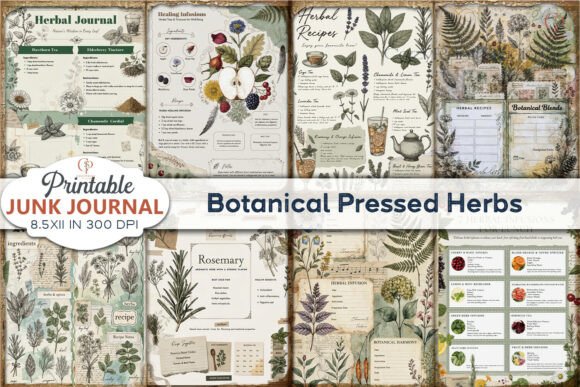
In the world of modern design and paper crafting, finding assets that blend organic texture with digital precision is rare. The Botanical Pressed Herbs Junk Journal collection bridges this gap beautifully. This set of 10 high-quality JPEG files is more than just a digital download; it is a curated library of visual storytelling elements. With 300 DPI resolution and a generous 8.5 x 11 inch format, these pages are engineered for immediate application, offering a tactile, botanical aesthetic without the mess of actual plant pressing. For designers, crafters, and brand strategists, this collection provides a distinct visual language that speaks of nature, patience, and artisanal quality.
The Visual Character of Pressed Flora
Understanding the visual personality of the Botanical Pressed Herbs Junk Journal is key to using it effectively. Unlike clean vector graphics, these pages possess a raw, authentic texture. The aesthetic mimics the timeless practice of pressing flowers, featuring delicate silhouettes, natural color palettes, and subtle paper grain. This style falls into a niche of "modern vintage," combining the nostalgia of Victorian-era scrapbooking with contemporary composition. It is not merely a background; it is a texture that adds depth. The visual weight of these elements can ground a design, offering a sophisticated alternative to standard sans serif minimalism or sterile stock photography. It conveys a sense of history and craftsmanship, making it an ideal design asset for projects requiring an organic, earthy touch.
Strategic Applications for Creators and Brands
The utility of the Botanical Pressed Herbs Junk Journal extends far beyond simple scrapbooking. For small business owners and marketers, these pages offer a unique way to establish brand identity. In an era where consumers crave authenticity, incorporating botanical elements into packaging design or social media graphics can significantly alter audience perception. A skincare brand, a tea company, or a wellness coach could use these textures to evoke feelings of calm and natural purity.
- Editorial Design: Use these pages as chapter dividers or background textures in e-books and lookbooks. The 300 DPI resolution ensures that even when printed, the details remain crisp, maintaining professional standards.
- Digital Marketing: In web design, these images can serve as hero backgrounds for landing pages, provided they are used with high-contrast typography. They add a layer of visual interest that static colors cannot achieve.
- Physical Products: Because the files are ready to print, they are perfect for creating greeting cards, wedding invitations, or planner stickers. The 8.5 x 11 inch size makes them compatible with standard home printers and professional print shops alike.
Integrating Texture with Typography
One of the most practical challenges when using richly textured assets like the Botanical Pressed Herbs Junk Journal is maintaining readability. As a designer, I often see creatives make the mistake of layering complex script fonts or intricate handwritten fonts over busy botanical backgrounds. This creates visual noise that frustrates the viewer.
To maximize the impact of these journal pages, focus on contrast and hierarchy. The organic, irregular lines of pressed herbs pair exceptionally well with clean, geometric typefaces. Consider using a bold sans serif font for headlines to cut through the texture, or a sturdy serif font for body copy that mimics the traditional feel of the journal. If you are building a logo design overlay, ensure the mark is simple. The complexity should lie in the background texture, not the foreground text. This balance ensures that your message remains legible while benefiting from the premium font and texture combination.
Evaluating Project Fit and Commercial Potential
Before integrating these assets into a commercial workflow, it is helpful to evaluate the specific needs of your project. The Botanical Pressed Herbs Junk Journal is a creative font and asset alternative—meaning it acts as a visual voice. It is best suited for projects that require a soft, organic, or artisanal tone. It might not be the right fit for aggressive tech startups or high-energy sports branding, but it is invaluable for lifestyle, beauty, and editorial markets.
When testing these pages for font pairing, print a sample sheet. Digital screens often compress the subtle nuances of 300 DPI files. By printing a test, you can see how the ink interacts with the digital texture. This is crucial for packaging design where physical touch points matter. Furthermore, because these are JPEGs, they offer flexibility. You can desaturate them for a black-and-white look, layer them with blend modes in Photoshop, or use them as standalone covers. They function as versatile modern typography backgrounds, allowing you to experiment with layout and composition without the constraints of rigid vector templates.
Ultimately, the Botanical Pressed Herbs Junk Journal provides a bridge between the digital and the natural world. It empowers creators to produce work that feels handmade and curated, elevating the perceived value of the final product. Whether you are a hobbyist making a personal planner or a publisher designing a magazine cover, these pages offer the texture and quality needed to make your work stand out.