Crafting Frontier Stories with Wild Western Ghost Town Junk Journal Pages
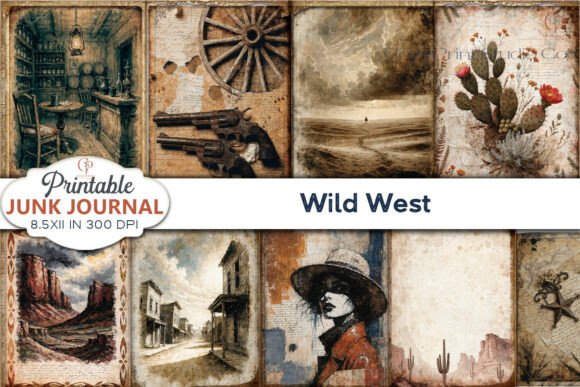
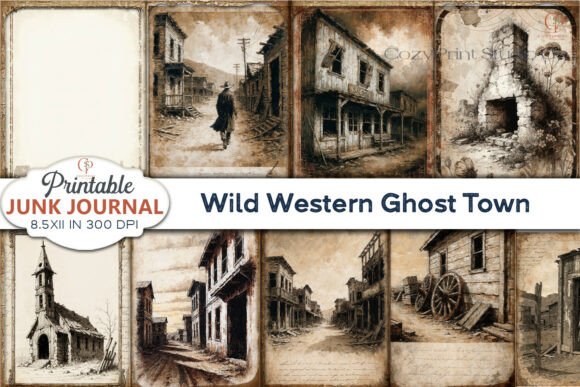
There’s a specific kind of creative magic that happens when you blend the rugged history of the American frontier with the tactile, layered art of junk journaling. The Wild Western Ghost Town Junk Journal Pages collection captures this perfectly, offering a digital toolkit that feels anything but digital. Instead of sterile, overly polished graphics, these pages deliver a palpable sense of dusty trails, weathered wood, and forgotten narratives. For designers, crafters, and content creators, this isn't just a set of printable files; it's a portal to a bygone era, ready to be integrated into modern projects with depth and authenticity.
Understanding the Aesthetic: More Than Just a Western Theme
At its core, this collection is about texture and atmosphere. The visual personality is defined by a deliberate, tactile imperfection. You'll find layered backgrounds that mimic aged parchment, distressed paper, and sun-bleached wood. The color palette leans into earthy, muted tones—think sun-baked terracotta, dusty sage, faded denim blue, and the deep brown of aged leather. This isn't a cartoonish or kitschy take on the West; it's a nuanced, vintage-inspired style that respects the source material.
The appeal lies in its versatility as a creative font and design asset ecosystem. The pages are designed as a foundation, not a finished product. This makes them a powerful component for building a unique brand identity for projects that need a sense of history, craftsmanship, or rugged individualism. The style works because it’s a form of modern typography applied to physical textures—it uses the principles of visual hierarchy and composition to guide the eye across a page that feels organically assembled.
Practical Applications: From Junk Journals to Digital Branding
The immediate, obvious use is within the paper crafts sphere. For junk journals, these pages are gold. They provide instant, high-resolution backgrounds for journaling, collage, and ephemera placement. A crafter can print a sheet, tear the edges, layer it with fabric scraps and old postage stamps, and create a page that looks like it was discovered in a homesteader's attic. The 8.5 x 11 inch size and 300 DPI resolution ensure that printed results are crisp and professional, whether used whole or cut down for scrapbooking, card making, or planner decoration.
Beyond the physical craft table, the applications expand significantly for digital creators. A blogger focusing on heritage tourism, DIY home renovation, or even rustic recipe content could use these pages as backgrounds for social media graphics, creating a cohesive and immersive feed. For editorial design, imagine a magazine feature on desert exploration or vintage Americana using a distressed, map-like page from this set as a sidebar or pull-quote background—it adds instant thematic depth without overwhelming the main content.
In logo design and packaging design, the textures can inform the entire visual language. A small-batch coffee roaster, a bespoke leather goods workshop, or a craft brewery could extract the color palette and textural feel from these pages to build a brand identity that communicates authenticity and handcrafted quality. The key is to use these assets as inspiration and foundational elements, not as literal clip art. A skilled designer would sample a color, emulate a texture in a background, or use a torn-edge motif to create a consistent and professional system.
Integrating the Collection into Your Workflow
Working with a resource like the Wild Western Ghost Town Junk Journal Pages requires a thoughtful approach to maintain professionalism and cohesion. Here’s how to get the most out of it:
- Evaluate Project Fit: Before diving in, ask if the rustic, historical aesthetic aligns with your project's core message. It’s perfect for brands and stories centered on adventure, history, craftsmanship, sustainability, or a back-to-nature ethos. It might clash with ultra-modern, minimalist, or futuristic themes.
- Font Pairing is Critical: The style of these pages strongly suggests particular typographic pairings. A rugged, textured background calls for a display font with character—perhaps a weathered serif font or a bold, utilitarian sans serif font. For body text, choose a highly readable sans serif font to ensure clarity against the detailed backgrounds. Avoid overly delicate script fonts or handwritten fonts unless they have a strong, assertive personality; they can get lost in the texture.
- Master the Layer: In digital projects, use these JPEGs as background layers in software like Photoshop or Canva. Adjust the opacity, apply blend modes like Multiply or Overlay, and layer them with solid color blocks or your own typography to create balanced, readable designs. For print projects, use them as is or combine them with other design assets like vintage stamps, old-style borders, or classic line art.
- Consider Commercial Use: Since this is a digital download only, it’s essential to understand the licensing. Typically, these assets are sold for personal and small commercial use, but mass production or resale of the files themselves is prohibited. Always check the specific license terms provided with your purchase to ensure your intended use—whether for a client’s packaging design or a product line you sell on Etsy—is covered.
The true value of a collection like this is in its ability to save time while providing a cohesive, high-quality starting point. It removes the hurdle of creating complex, textured backgrounds from scratch, allowing you to focus on the higher-level tasks of composition, storytelling, and strategic design. Whether you’re assembling a physical junk journal to gift, designing a social media graphics kit for a client, or building a brand identity for a new venture, these pages offer a versatile and evocative foundation. They are not just files to be printed; they are raw materials for building worlds, telling stories, and creating tangible connections with an audience that values depth and authenticity.