Unlock Your Day: The Power of the Daily Planner Sticker Sheet
Let’s be honest: keeping a planner organized can sometimes feel like a chore. You have the best intentions on Monday, but by Wednesday, the pages are a blur of to-do lists, appointments, and scribbled notes. This is where a Daily Planner Sticker Sheet steps in to save the day. It’s more than just a decorative element; it’s a practical tool that transforms your planning routine from a mundane task into an engaging, creative ritual. Whether you're a busy entrepreneur juggling client meetings or a content creator mapping out your next viral campaign, the right visual cues can make all the difference.
More Than Just Paper: The Anatomy of a Quality Sticker Sheet
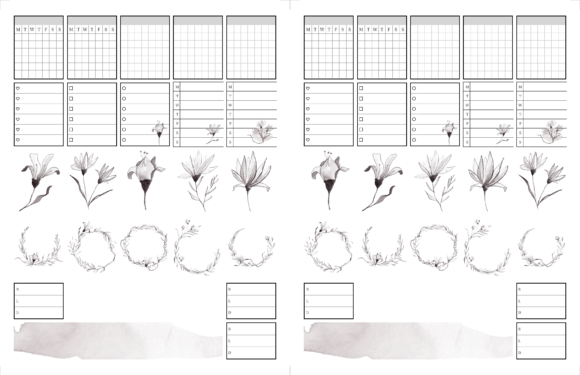
When you download a Daily Planner Sticker Sheet, specifically one formatted as an A5 PDF with an uncut background image, you are getting a versatile digital asset. The "uncut" aspect is crucial for digital planners—it allows you to overlay the sheet on your digital canvas and "cut" or select individual stickers as needed within apps like GoodNotes or Notability. For those who prefer the tactile experience, the high-resolution PDF ensures that when you print these on sticker paper, the edges are crisp and the colors remain true. The visual personality of a well-designed sheet is usually functional yet fun. You’ll often find a mix of motivational quotes, practical icons (like coffee cups or clocks), and banner graphics that serve as visual anchors in your layout.
The appeal lies in the balance between utility and aesthetics. A Daily Planner Sticker Sheet isn't just about "cuteness"; it’s about visual hierarchy. By using distinct stickers for different categories—perhaps a specific icon for self-care and another for business tasks—you create an immediate system of recognition. This is a core principle of good graphic design: using visual cues to guide the eye.
Practical Applications: Beyond the Daily Planner
While the name suggests a singular use, the utility of these digital stickers extends far beyond daily scheduling. If you are a small business owner or a marketer, think of this sheet as a collection of design assets ready to be deployed across various platforms.
- Social Media Graphics: Need a quick "Sale" tag or a "New Post" alert for Instagram Stories? Cut a sticker from the sheet and overlay it on your photo. It adds a layer of brand consistency and professional polish without needing to open complex software like Photoshop.
- Scrapbooking and Collages: For hobbyists and content creators, these sheets offer a cohesive visual theme. The elements are designed to work together, ensuring that your scrapbook albums or digital mood boards look curated rather than chaotic.
- Packaging and Branding: If you sell physical goods, printing these sheets on label paper can create unique thank-you stickers, product seals, or business card embellishments. This small touch elevates the unboxing experience, reinforcing your brand identity.
- Web Design and Invitations: The icons and typography found in a quality Daily Planner Sticker Sheet can be repurposed for web graphics, newsletter headers, or digital invitations. They provide a modern typography feel that resonates well with contemporary audiences.
Integrating Stickers into Your Design Workflow
For designers and publishers, the challenge isn't finding assets; it's integrating them seamlessly. Here is how to get the most out of a Daily Planner Sticker Sheet without compromising your professional output.
Evaluating Style and Fit
Before you commit to a sticker set for a commercial project or a major brand overhaul, look at the style. Is it handwritten and whimsical, or is it structured and minimalist? If you are working on a corporate report or a serious editorial piece, a playful script font sticker might clash. However, for a lifestyle blog or a bakery’s packaging, that same sticker adds warmth and approachability. Always assess the "personality" of the sticker against the tone of your project.
Readability and Visual Weight
Even though stickers are often small, readability matters. If a sticker contains text—like a motivational quote or a day of the week—ensure it is legible at the size you intend to use it. A good Daily Planner Sticker Sheet is designed with contrast in mind, but if you are layering it over a busy background in your planner, you might need to add a drop shadow or a slight outline to make it pop. This is a practical tip for maintaining visual hierarchy.
Commercial Use and Licensing
This is the fine print that matters. If you are using these stickers for your own personal planner, you rarely need to worry. However, if you are a business owner using them on products you sell, or in marketing materials that generate revenue, you must verify the licensing. Most digital assets come with specific terms regarding commercial use. Always check if the license covers physical reproduction (like printing on stationery) or digital distribution.
The Digital vs. Physical Divide
The versatility of the Daily Planner Sticker Sheet in PDF format bridges the gap between the digital planner enthusiast and the paper purist.
For the Digital User: The workflow involves importing the PDF into your note-taking app. You then use the lasso tool to select individual elements. The benefit here is infinite reuse. You aren't "using up" the sticker; it’s a permanent part of your digital assets library. This is perfect for those who value sustainability and decluttering.
For the Print User: The experience is tactile. Printing on matte or glossy sticker paper changes the feel of the final product. For craft projects, home decor items, or photo albums, the physical sticker adds texture that a screen cannot replicate. It’s about the satisfaction of peeling and sticking.
Final Thoughts on Creative Utility
Ultimately, a Daily Planner Sticker Sheet is a toolkit for organization and creativity. It solves the problem of blank-page syndrome by providing ready-made graphic elements that spark ideas. It helps maintain brand consistency across social channels and physical products. It turns planning into a visual practice rather than a textual one. Whether you are using it to organize a complex editorial design schedule or simply adding flair to a personal journal, these sheets prove that good design is functional. They are small investments that yield significant returns in clarity, aesthetics, and joy in the creative process.