Lined Vintage Background Junk Journal: Your Creative Foundation
More Than Just Paper: The Soul of a Junk Journal
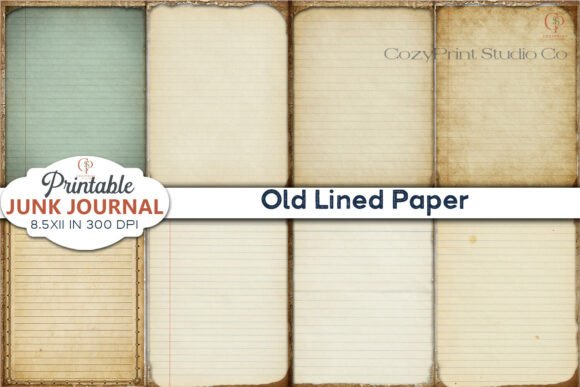
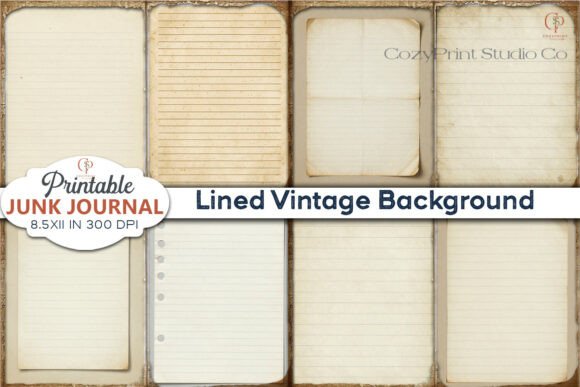
You know the feeling when you stumble upon an old letter in a flea market, its pages filled with elegant, faded handwriting? That sense of history, of a story already in progress, is exactly what a Lined Vintage Background Junk Journal brings to your creative table. This isn't just a set of digital files; it's a launchpad for your imagination. The "lined vintage background" aspect is key. We're talking about pages that have the soft, slightly textured feel of aged paper, complete with faint, ruled lines that evoke the feel of a beloved personal diary or a century-old notebook. The color palette leans into warm ivories, soft beiges, and muted creams, avoiding the stark, digital white that can feel sterile. This inherent character provides an instant sense of depth and authenticity, saving you the work of artificially aging or distressing your base layers.
The personality of these backgrounds is one of quiet sophistication and nostalgic charm. They feel authentic without being messy, detailed without being distracting. This makes them an incredibly versatile design asset. They serve as a perfect neutral canvas that still has a distinct point of view. Whether you're a small business owner crafting a brand story that feels handmade and trustworthy, or a hobbyist building a memory book, the Lined Vintage Background Junk Journal pages provide a consistent, professional, and deeply appealing starting point. They are a form of premium font for your page layout—setting the foundational tone before you even add a single word or image.
Practical Applications: From Digital Screens to Tangible Projects
The real value of these backgrounds shines in their application. Because they are 300 DPI resolution and sized at 8.5 x 11 inches, they are built for real-world use. Let's break down where they work best.
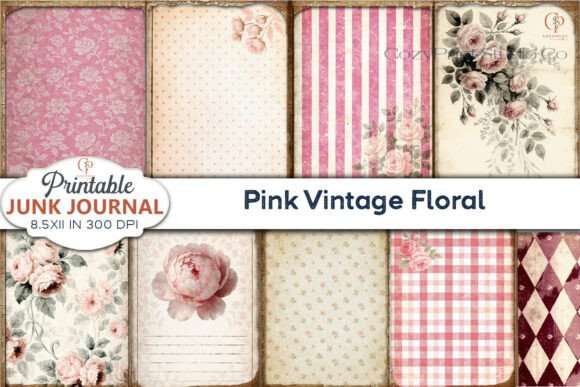
- For the Crafter and Hobbyist: This is your junk journal and scrapbooking dream. Print them out to create the actual pages of a journal, giving your project an instant, cohesive vintage feel. Use them for collage art as a base layer for other ephemera, or as unique backgrounds for handmade card making. The lined structure can even help guide your own handwritten notes or quotes, adding a layer of intentional design.
- For the Digital Creator and Marketer: Think beyond print. These files are perfect for creating engaging social media graphics that stand out in a feed of flat, modern designs. Use them as the background for quote cards, promotional images, or story slides that need a touch of warmth and personality. They can also elevate web design elements, such as blog post headers, newsletter banners, or downloadable lead magnets, giving your digital presence a more textured, approachable feel.
- For the Entrepreneur and Brand Strategist: If your brand identity is built on values like craftsmanship, heritage, storytelling, or authenticity, these backgrounds are a strategic tool. Use them in your packaging design inserts, thank-you cards, or lookbook layouts. They can inform the background of your logo design presentations or help create a brand identity guide that feels both professional and personal. They bridge the gap between a polished modern typography approach and a more organic, human-centric aesthetic.
- For the Planner and Organizer: Planner decoration is about making functionality beautiful. Print these pages to create custom inserts for your planner or bullet journal. The lines provide built-in structure for planning, while the vintage background makes the act of organizing feel less like a chore and more like a creative ritual.
Making It Work: Design Considerations and Pairings
Integrating a Lined Vintage Background Junk Journal page effectively requires a thoughtful approach to contrast and hierarchy. The background is detailed, so your foreground elements need to command attention.
When it comes to typography, your choice of typeface is critical. The lined background has a classic, almost handwritten quality. Pairing it with a clean, geometric sans serif font can create a beautiful, balanced contrast between old and new, making your text highly readable. Alternatively, a elegant serif font can lean into the vintage feel for a more traditional, editorial look. A flowing script font or handwritten font can also work for headlines or accents, but use it sparingly to avoid a cluttered feel. The key is to ensure your text has enough visual weight—through size, color, or a solid text box—to sit confidently on top of the textured background.
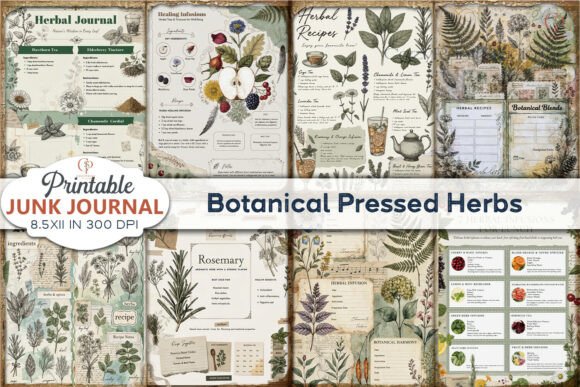
For a cohesive project, consider how these pages interact with other design assets. They pair wonderfully with solid-colored papers, kraft textures, and other vintage ephemera like stamps, postmarks, or botanical illustrations. If you're building a brand kit, you might pull the warm, muted tones from the background to define your color palette, ensuring consistency across all your editorial design, packaging design, and social media graphics.
Always test your layouts. A background that looks charming on screen might need adjustments in print. Check the readability of your body text at actual size. The lines on the background should complement, not compete with, your own written content. Remember, this is a digital download—you have the freedom to scale, crop, and layer these high-quality JPEG files to fit your exact needs, whether for a large poster or a small bookmark. The instant download format means you can start experimenting immediately, turning that nostalgic appeal into a tangible piece of your creative work or brand story.