Unlocking Narrative with the Stained Glass Pirate Ship Aesthetic
In the world of digital design and brand storytelling, we are constantly hunting for assets that do more than just sit on the page. We need elements that evoke emotion, trigger nostalgia, and command attention. While typography is often the hero of this story, the background imagery you choose serves as the stage. This is where the concept of the Stained Glass Pirate Ship comes into play—a visual style that marries the rugged, adventurous spirit of maritime lore with the intricate, jewel-toned elegance of ecclesiastical art.
If you have ever struggled to find a background that feels both timeless and highly stylized, this specific niche might be the missing piece in your asset library. It is not just a picture of a ship; it is a reinterpretation of history through a fragmented, colorful lens. For designers, marketers, and content creators, understanding how to leverage this specific visual language can transform a mundane project into something truly memorable.
The Visual Language: Why It Works
To appreciate the value of a Stained Glass Pirate Ship background, we have to look at the visual tension it creates. Traditional pirate imagery is often gritty—think weathered wood, rusty cannons, and tattered sails. Stained glass, conversely, is associated with precision, light, and storytelling. When you combine the two, you get a premium design asset that feels rich and textured.
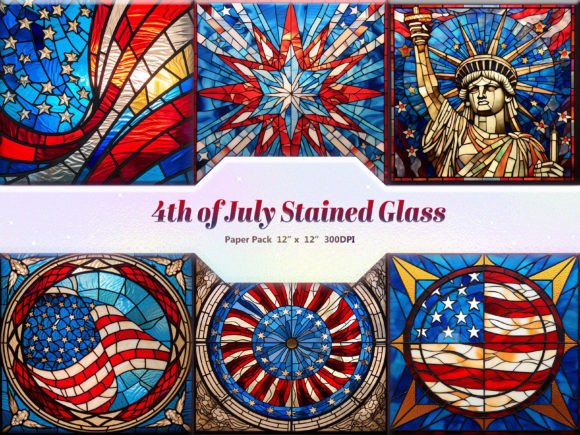
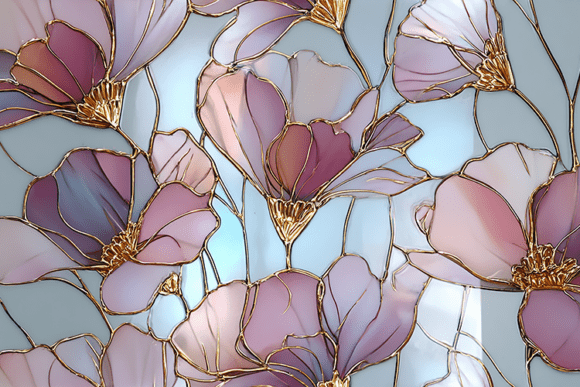
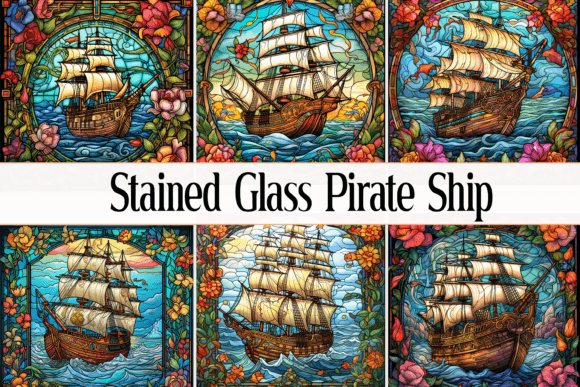
The visual characteristics typically involve bold black leading lines to separate colors, much like the lead cames in a real window. The colors are usually saturated and jewel-like—deep sapphires, rubies, and emeralds. This high contrast makes it an exceptional display font companion or a standalone hero image. Because the style mimics an artistic medium rather than a photograph, it carries a unique personality. It feels handcrafted, historical, and fantastical all at once.
Applications for Modern Creators
You might be wondering where a Stained Glass Pirate Ship fits into a modern brand identity or content strategy. The answer lies in versatility. While it is obviously perfect for a fantasy novel cover or a tabletop game, its utility extends far beyond that.
For the small business owner or entrepreneur, consider the "Speakeasy" or "Vintage" aesthetic. A coffee roaster, a craft brewery, or a bespoke tailor could use these backgrounds on social media to convey a sense of history and craftsmanship. The intricate patterns provide excellent texture for social media graphics without distracting from the foreground text, provided the composition is balanced.
For packaging design, this imagery can serve as a striking wrap for specialty goods. Imagine a box of artisanal chocolates or a tea collection wrapped in a digital paper featuring this motif. It instantly elevates the perceived value of the product, suggesting that what is inside is a treasure.
Strategic Integration and Brand Perception
Using a creative font or a highly stylized background is a strategic decision that influences how your audience perceives your brand. In modern typography and layout design, contrast is king. If your brand voice is adventurous, rebellious, or steeped in history, the Stained Glass Pirate Ship aesthetic reinforces that narrative without you having to say a word.
However, visual hierarchy must remain your priority. The danger of using such a detailed background is that it can compete with your serif font or sans serif font headlines. To maintain readability, treat these backgrounds as a supporting character, not the lead.
Practical Design Recommendations
When working with this specific bundle of digital paper, there are a few practical steps to ensure your designs remain professional:
- Opacity is Your Friend: If the background is too loud, lower the opacity. This allows the texture and color to come through while creating a safe "white space" zone for your text. This is essential for editorial design and web design where legibility is paramount.
- Color Extraction: Use a color picker tool to sample colors directly from the stained glass image. Use these sampled colors for your text or UI buttons. This creates a cohesive font pairing and color palette that feels intentional and harmonious.
- Contrast Management: If the image is busy, pair it with a clean, bold sans serif font. Avoid script fonts or overly ornate handwritten fonts for body text, as the visual noise of the background will make the script illegible. Save the decorative fonts for large, isolated headers.
Evaluating the Asset: Quality and Licensing
Not all digital assets are created equal. When sourcing a Stained Glass Pirate Ship bundle, you need to look past the thumbnail and inspect the technical specifications. A high-quality asset should come in a format that supports large-scale printing, such as PNG at 300 DPI.
For instance, a bundle offering 16 HD images at 3600px x 3600px is ideal for print-on-demand services. This resolution ensures that your logo design or packaging doesn't pixelate when scaled up. It is also crucial to verify the licensing. If you are a commercial creator, ensure the license allows for resale or use in end-products. Most standard licenses cover this, but it is always the first thing a professional checks.
Final Thoughts on Execution
The Stained Glass Pirate Ship is more than just a trend; it is a stylistic tool that offers depth and narrative. It works best when paired with restraint. Let the image tell the story of adventure, and let your typography provide the clarity and call to action.
Whether you are designing a header for a blog, a background for a YouTube video, or a texture for a physical product, this style offers a robust foundation. It bridges the gap between the raw energy of pirate lore and the refined beauty of art history. By focusing on technical quality—high DPI, correct sizing, and thoughtful composition—you can turn these digital papers into powerful design assets that resonate with your audience and elevate your creative output.