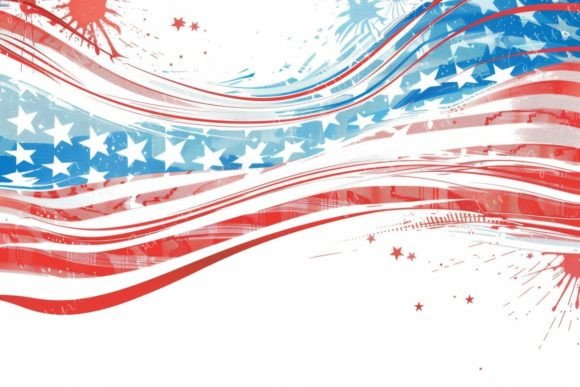
Patriotic Wave: A Modern Take on American Design
Capturing the energy and spirit of American iconography in a single design asset requires more than just slapping a flag onto a background. It requires movement, emotion, and a deep understanding of visual rhythm. This is where the Patriotic Wave concept shines, offering a dynamic interpretation of the classic red, white, and blue. It is not merely a static image; it is an abstract, flowing representation of the stars and stripes, designed to inject life into projects ranging from small business branding to large-scale marketing campaigns. For designers, entrepreneurs, and content creators, understanding how to leverage this specific style of premium font and graphic asset is key to standing out in a crowded marketplace.
Visual Characteristics and The "Wave" Aesthetic
When we talk about the Patriotic Wave, we are referring to a specific visual language that moves away from the rigid, traditional rectangular flag design. Instead, it embraces fluidity. Imagine the stripes of the flag not as static bars, but as ribbons caught in the wind, curving and overlapping to create depth. The stars are often scattered or integrated into the flow, breaking the grid to suggest motion. This style of modern typography and graphic design relies heavily on negative space and color gradients to create a 3D effect on a 2D plane.
The personality of this design is confident and contemporary. It respects tradition but interprets it through a creative font and abstract lens. The color palette remains anchored in the classic trio—deep navy blues, vibrant crimson reds, and crisp whites—but the application feels fresh. This makes it an excellent choice for projects that need to feel patriotic without looking dated or overly governmental. It speaks to a modern audience that appreciates brand identity which feels authentic and energetic rather than clichéd.
Strategic Applications for Branding and Marketing
The versatility of the Patriotic Wave design makes it a powerful tool across various media. For logo design, this abstract approach allows brands to incorporate national pride subtly. A fitness brand, a tech startup, or a local brewery might use the "wave" element to suggest American craftsmanship and innovation. Because the design is abstract, it pairs exceptionally well with both sans serif font choices for a clean, tech-forward look, or a bold serif font for a more established, trustworthy vibe.
In editorial design and packaging design, the wave can serve as a dynamic background element or a striking header graphic. Imagine a magazine cover for a July 4th issue or a limited-edition product box where the red and blue waves frame the product information. The movement in the design guides the viewer's eye, helping to establish a visual hierarchy that leads them from the imagery to the headline and finally to the call to action. This is crucial for web design and social media graphics, where you have only a split second to capture attention before the user scrolls away.
Furthermore, the high-resolution nature of this asset—specifically the 4500 x 3000 pixel standard at 300 DPI—ensures that it transitions seamlessly from digital screens to physical print. Whether you are creating banners for a trade show, flyers for a local event, or merchandise like t-shirts and mugs, the design assets remain sharp and professional. The resolution ensures that the intricate details of the wave, particularly the blending of the colors, do not pixelate or degrade, maintaining the professionalism of your final output.
Technical Specifications and File Management
For the content creator or small business owner, the technical side of design assets is just as important as the aesthetic. The Patriotic Wave file is delivered as a high-quality JPEG without a watermark, ensuring that you can use it immediately upon purchase. The "immediate download" feature is vital for those working on tight deadlines—whether you are a marketer rushing to prepare materials for a national holiday or a crafter finishing a project for a client.
It is important to note the format: a JPEG at 300 DPI is the industry standard for print-ready graphics. However, users should be mindful of color calibration. As noted in the product details, colors viewed on a monitor will often vary from the printed product. This is a standard consideration in graphic design. RGB (screen) and CMYK (print) color spaces handle reds and blues differently. While the JPEG is high quality, designers should always run a test print if color accuracy is critical for their brand identity. This attention to detail separates amateur work from professional output.
Integrating the Design into Your Workflow
Successfully using the Patriotic Wave involves more than just placing it on a canvas. It requires thoughtful integration. Here are practical steps for designers and entrepreneurs:
- Evaluate the Context: Consider the mood of your project. The wave suggests energy and forward motion. It works best for campaigns that want to convey progress, celebration, or vitality. It might be less suitable for somber or highly conservative corporate contexts where a static, traditional flag is expected.
- Font Pairing: The abstract nature of the wave requires a grounding typeface. If you use a script font or handwritten font, ensure it is legible against the complex background. Often, a bold, clean sans serif font acts as a great counterbalance to the organic curves of the wave, ensuring readability for key messages.
- Color Harmony: While the asset provides the red, white, and blue, your other design elements need to match. Use color picker tools to sample exact hues from the wave to ensure your text and borders create a cohesive palette.
- Licensing and Usage: Always review the terms of use. Since this is a commercial font and graphic asset, ensure your intended use—whether for a client project or merchandise—falls within the licensing agreement. This protects your business and ensures you are using design assets ethically.
Ultimately, the Patriotic Wave is more than just a stock image; it is a versatile design element that, when used correctly, can elevate a project from generic to memorable. It bridges the gap between traditional symbolism and modern typography, offering a solution for anyone looking to add a touch of national pride with a contemporary edge.