Gingham Garden: A Fresh Take on Printable Journal Paper
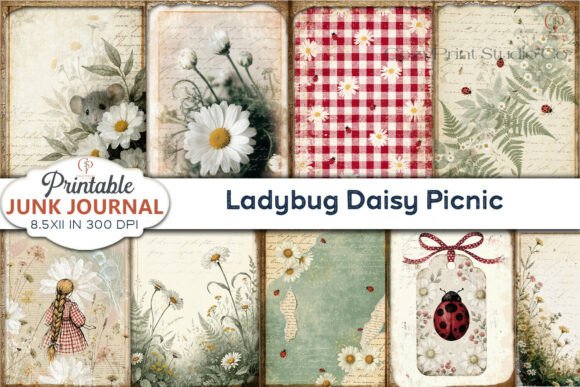
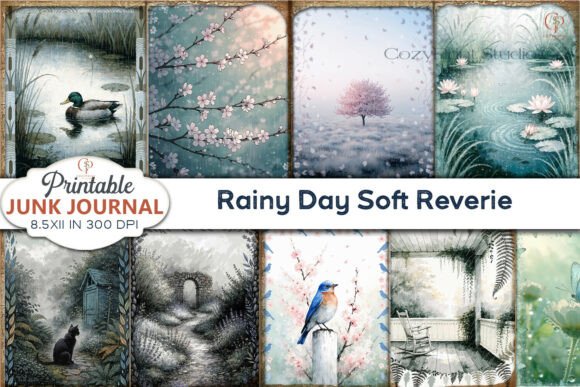
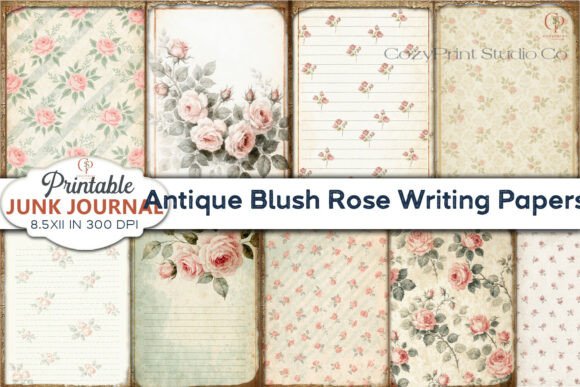
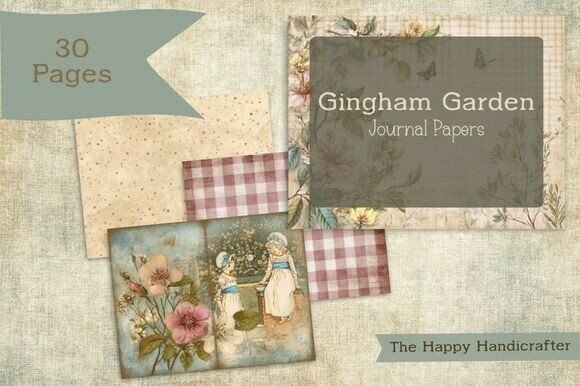
There’s a specific feeling that comes with opening a well-loved journal—the kind filled with pressed flowers, handwritten notes, and small mementos. Gingham Garden – Printable Journal Paper captures that exact sentiment in a digital format. This collection isn’t just a set of backgrounds; it’s a curated toolkit for building tangible, story-rich projects. With 30 coordinating pages, it offers a blend of soft watercolor florals, vintage-inspired illustrations, and gentle gingham patterns. The color palette is thoughtfully muted, featuring sage green, dusty rose, buttercream, and soft blue, evoking the quiet beauty of a spring morning. It’s designed for creators who value texture, narrative, and a touch of nostalgic charm in their work.
More Than a Pretty Surface: Understanding the Collection's Design
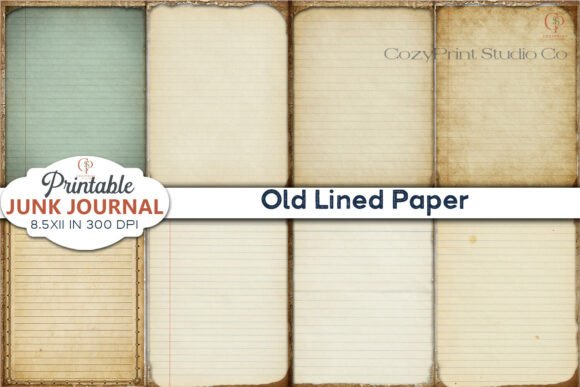
At its core, Gingham Garden – Printable Journal Paper is a versatile design asset. It moves beyond simple digital backgrounds by offering a functional mix of page types. You’ll find heavily decorative pages perfect for focal points, lightly lined or dotted writing pages for practical use, and subtly textured backing papers that add depth without overwhelming content. This structure is key to its utility. The visual personality is soft, organic, and handcrafted. The watercolor elements have a natural, slightly imperfect quality that feels authentic, while the gingham patterns provide a structured, familiar counterpoint. This balance allows it to feel both whimsical and grounded.
From a practical standpoint, the collection functions as a cohesive design asset pack. Each page is designed to work in harmony, which simplifies the creative process for projects requiring multiple coordinated elements. The aesthetic leans into a modern typography sensibility by prioritizing clean space and readability, even amidst the decorative elements. It’s a creative font in paper form—its style dictates a certain tone for any project it touches, much like choosing a serif font for tradition or a sans serif font for clarity.
Practical Applications: Where Gingham Garden Truly Shines
The real-world value of Gingham Garden – Printable Journal Paper lies in its adaptability across creative and professional projects. For crafters and hobbyists, it’s the foundation for junk journals, scrapbooks, and handmade planners. The pages layer beautifully, allowing for dimensional builds, while the writing pages provide essential functionality. Beyond personal crafting, its applications are surprisingly broad.
For Branding and Marketing: Small business owners, especially those in lifestyle, wellness, artisan goods, or stationery, can use these papers to create cohesive brand identity materials. Think textured backgrounds for social media graphics, elegant paper textures for packaging design mockups, or charming inserts for thank-you cards. The gentle color palette ensures it supports, rather than competes with, product photography or logo design.
For Publishing and Content Creation: Bloggers and content creators can utilize the collection for creating printable downloads, lead magnets, or unique digital product backdrops. In editorial design, these papers can serve as chapter dividers or quote backgrounds in digital magazines or PDF lookbooks. The consistent style helps maintain visual cohesion across a publication, reinforcing a professional and recognizable aesthetic.
For Digital and Print Projects: The files are high-resolution, making them suitable for both digital screens and quality print output. Web designers might use them sparingly for section backgrounds on sites aiming for a soft, artisanal feel. In web design, texture must be used judiciously to avoid impacting load times or readability, but as a subtle accent, it can significantly enhance user experience and brand perception.
Integrating the Collection: Guidance for Seamless Use
Choosing to use a resource like Gingham Garden – Printable Journal Paper is the first step. Integrating it effectively is what elevates a project. Here’s practical guidance for making the most of it.
- Evaluate Project Fit: The collection’s personality is soft, nostalgic, and organic. It will naturally align with projects targeting audiences that appreciate craftsmanship, vintage aesthetics, or natural beauty. It may be less suitable for ultra-modern, corporate, or high-energy tech branding. Always consider if the visual tone matches your project’s core message.
- Test for Readability: While the writing pages are designed for clarity, if you’re using a decorative page as a background for text, always test. Place your body copy over the area and check for sufficient contrast. The soft hues are generally accommodating, but vigilance ensures your visual hierarchy remains strong and the text is easy to read.
- Consider Font Pairings: If you’re combining these papers with digital typography, choose fonts that complement the handcrafted vibe. A clean sans serif font can provide excellent contrast and modern balance. Alternatively, a subtle script font or handwritten font can enhance the personal, artisanal feel, but use it sparingly for headlines or accents to maintain readability and professionalism.
- Review the Full Suite: Don’t just use the first page that catches your eye. Scroll through all 30 pages to understand the full range of textures, patterns, and layout options. This allows you to plan a project with varied yet harmonious elements, which is key to building visual interest and narrative flow.
- Understand the License: As with any commercial font or design asset, review the licensing terms. Confirm that your intended use—whether for a personal scrapbook or a commercial product sold online—is covered. This step is crucial for avoiding issues down the line and is a mark of a professional creator.
Ultimately, Gingham Garden – Printable Journal Paper is more than a decorative set. It’s a framework for storytelling. It invites you to slow down, gather your materials, and create something with tangible weight and emotional resonance. By understanding its design strengths and applying it thoughtfully, you can transform simple projects into cherished keepsakes, and professional work into something that feels genuinely human and connected. It’s a testament to how the right design assets can profoundly influence the outcome and feeling of your creative endeavors.